Understanding UPI Payments: A Complete Guide for Businesses
Stanpe Team
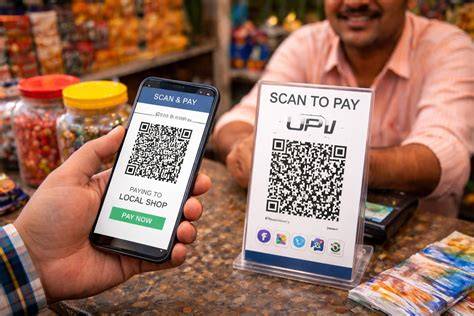
Unified Payments Interface (UPI) has transformed the way commerce moves in India. From micro-merchants to high-growth internet enterprises, UPI represents over 80% of all retail digital payment volume.
1. How UPI Payments Work Under the Hood
Unlike traditional card transactions requiring multi-step 3D-Secure redirects, UPI operates on a peer-to-peer (P2P) and peer-to-merchant (P2M) architecture powered by NPCI's IMPS engine:
- Virtual Payment Address (VPA): Customers authorize transactions using an alias (e.g.
username@okhdfcbank) without exposing bank account details. - Intent Flow: Mobile applications launch payment apps (Google Pay, PhonePe, Paytm) directly via app intents, delivering a 1-tap checkout experience.
- Dynamic QR Codes: Web checkouts generate encrypted dynamic QR codes embedded with exact invoice amounts and transaction IDs.
2. Key Advantages of StanPe UPI Infrastructure
StanPe provides an enterprise-grade layer above raw bank switches to guarantee low latency and zero downtime:
- Smart Switch Routing: Dynamic routing across multiple banking partners to bypass bank server downtime automatically.
- Instant Settlement & Webhooks: Webhook confirmations delivered within milliseconds, with automatic retry mechanisms.
- Integrated Reconciliation: Single dashboard to monitor UPI, Card, NetBanking, and Wallet collections with automated dispute resolution.
3. Conclusion
Offering a frictionless UPI checkout is no longer optional for businesses in India. With StanPe's modern developer SDKs and resilient APIs, you can begin accepting UPI payments in less than an hour.
Stanpe Team
Author & SpecialistWriting about next-generation payment systems, UPI automation, business billing systems, and the future of digital transactions across global commerce.
Recommended Articles
More stories and insights from the StanPe engineering and fintech team
How Instant Payouts and UPI AutoPay Are Revolutionizing Business Cash Flow
Explore how automated recurring UPI mandates and real-time bank transfers empower modern digital platforms.